
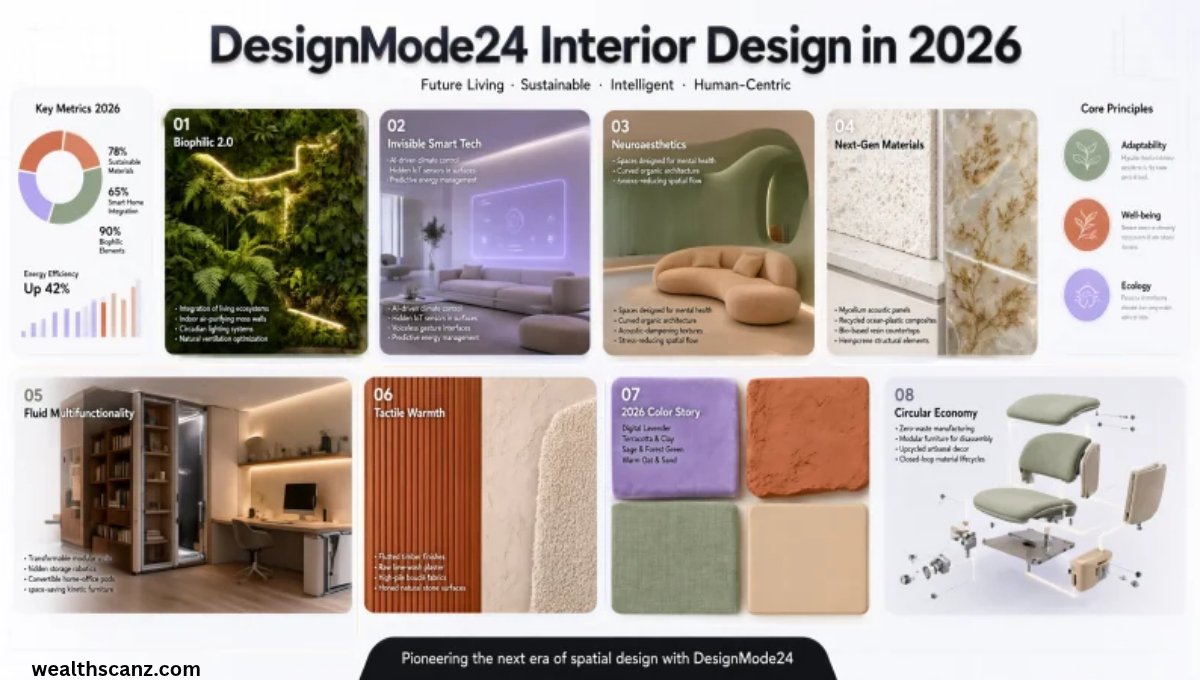
Your room isn’t broken. Your layout is. You’re not alone. Search interest just spiked again. Homeowners are ditching guesswork for a simple ratio that finally makes rooms feel right. That ratio sits at the heart of designmode24 interior design , a function-first framework built on the 70/30 rule. If you want the exact layout guides, go to designmode24.com before they update again.
The website designmode24.com hosts the current room-planning resources everyone is saving. Interior designmode24 spreads fast because it fixes what decoration alone can’t. WWW. designmode24. com is where the full method lives. Skip it and you’ll keep rearranging the same sofa. Open www designmode24 .com and apply the designmode24 design logic to one room this week. Interior designmode24 is trending right now , don’t scroll past it.
What Is DesignMode24 Interior Design?
DesignMode24 interior design is a practical planning approach rather than a fixed style. It asks how a room should function before any furniture or paint gets chosen, then uses a proportional rule to keep the visual layer disciplined.
The concept gained traction in 2026 because it gives homeowners a concrete decision-making tool. Instead of guessing whether a room needs more color or less clutter, the 70/30 framework offers a starting point anyone can apply without a design degree.
Is DesignMode24 a Specific Interior Design Style?
No. DesignMode24 has no fixed visual vocabulary like Scandinavian interior design or industrial design. It is a planning framework that can be applied to modern interior design, minimalist interiors, traditional rooms, or luxury home interiors alike.
The style changes; the logic stays the same. That flexibility is part of why the term spreads so easily across different home interior design contexts, from small space design to full room makeover projects.
The Core Principles of DesignMode24 Interior Design
The principles come from the 70/30 framework and practical space planning guides. Function leads, decoration follows, and every visual decision gets tested against how the room will actually be used.
This is closer to interior design than pure interior decoration. The distinction matters: decoration beautifies a surface, while design solves how a space works before styling begins. DesignMode24 sits firmly on the planning side of that line.
Function Comes Before Decoration
Start with the activities that happen in the room. A living room design needs clear walking routes before a statement lamp. A kitchen interior design needs work zones before a backsplash tile gets chosen.
- Living room: seating, circulation, and television sightlines first
- Bedroom: rest, storage, and bedside surfaces first
- Kitchen: prep, cooking, and cleaning zones first
- Home office: desk comfort, task lighting, and cable management first
This prevents the most common room makeover mistake: solving a visual problem while creating a practical one. A beautiful room that blocks its own doorway is not a successful design.
Plan the Space Before Buying Furniture
Measure the room, note doors and windows, and tape furniture footprints on the floor. Most expensive furniture layout mistakes happen because this step got skipped in favor of browsing showroom interior design ideas online.
- Record room length, width, and ceiling height
- Note door swings and window positions
- Mark electrical outlets and radiators
- Tape furniture footprints before ordering
- Measure doorways and access routes for delivery
Furniture that looks correctly sized on a screen can dominate a smaller room in reality. Taping the footprint before ordering turns a guess into a decision.
Also Read About: ETSGamevent Registration in 2026: Sign Up Before Slots Close
Use the 70/30 Rule as a Guide
The 70/30 split is the most specific DesignMode24 idea available. Seventy percent of the room forms the dominant base: walls, flooring, large furniture, and the overall color palette. Thirty percent is reserved for accent elements: bold textures, contrasting colors, and statement pieces.
| Design Ratio | Visual Effect | Best For |
| 90/10 | Very calm, minimal contrast | Bedroom decor ideas, meditation spaces |
| 70/30 | Balanced, visually engaging | Living room design, kitchens, entryways |
| 60/30/10 | Adds a tertiary accent layer | Color-heavy schemes |
How to Plan a DesignMode24 Interior Design Project
Define the room’s purpose first, then measure everything, then create a clear layout. Only after those steps should color palettes and furniture shopping begin.
Build a mood board for furniture, colors, and materials, and set a budget with a buffer for unexpected costs. This sequence stops you from buying decor before solving the layout, which is the order most failed room makeovers follow.
Choosing an Interior Style With DesignMode24 Principles
The framework works with any aesthetic. Here is how the 70/30 logic applies across common styles:
| Style | How DesignMode24 Principles Apply |
| Modern interior design | Clean lines with a 70% neutral base; 30% for one bold element |
| Minimalist interior design | Function-first planning reduces clutter; storage becomes critical |
| Scandinavian interior design | Natural materials in the base; warm textures in the accent layer |
| Luxury home interiors | Restraint in proportions matters more than expensive materials |
| Contemporary interior design | Keep permanent elements neutral; use trends on replaceable items |
Room-by-Room DesignMode24 Interior Design Ideas
Each room has different priorities under the framework. The 70/30 ratio stays consistent, but what belongs in the base and what belongs in the accent layer changes by function.
| Room | Primary Focus | Key Planning Question |
| Living room design | Seating and circulation | Can people walk through without squeezing? |
| Bedroom decor ideas | Rest and storage | Is the bed planned first with bedside surfaces after? |
| Kitchen interior design | Work zones and storage | Is there clear space for prep, cooking, and cleaning? |
| Home office | Desk comfort and lighting design | Is there task lighting and cable management? |
| Bathroom | Moisture-resistant materials | Do finishes suit wet conditions? |
Space Planning and Furniture Placement
Space planning is the step most people skip and later regret. Furniture that looks correctly sized online can dominate a smaller room, and a dining table that fits on paper may leave no room for chairs to move.
Mark furniture footprints on the floor with painter’s tape before ordering. Walk through the room as you would daily. If real bodies cannot move comfortably, the furniture layout is not finished, no matter how good it looks.
Color Selection for DesignMode24 Interior Design
Follow the 70/30 logic: choose a dominant neutral for walls, flooring, and large furniture, then reserve bolder colors for accent pieces. Always test paint samples in the actual room under both morning daylight and evening artificial light.
A warm color on a screen can look cold in north-facing light. Interior color design ideas from professionals emphasize testing against your flooring, not just against a white wall. The same applies whether you browse showroom interior design ideas or plan a single-room refresh.
Also Read About: UploadBlog.com Review 2026: What Writers Need to Know Before Posting
Lighting: Build Layers Instead of Using One Fixture
A single ceiling light rarely handles every activity. Layered lighting design combines three types: ambient for overall illumination, task for reading or cooking, and accent for highlighting art or architectural details.
- Ambient: ceiling fixtures, recessed lights, large overheads
- Task: desk lamps, reading lamps, kitchen work lighting
- Accent: artwork spotlights, shelf lighting, display highlights
- Flexibility: dimmer switches let one room serve many moods
Dimming switches add flexibility, letting you shift from bright cleaning light to softer evening light without changing fixtures. This is one of the most consistently recommended interior design decor ideas across styling guides, and it matters more than most furniture purchases.
Storage and Organization in DesignMode24 Interior Design
Design storage into the layout rather than treating it as an emergency fix after clutter takes over. Closed storage hides everyday items, while open shelving works for books and art but becomes visual noise if every shelf turns into a dumping ground.
- Closed storage: cabinets, wardrobes, storage ottomans, storage beds
- Open storage: bookshelves, display shelving, wall-mounted ledges
- Entryway: a tray or hook for keys and daily items
- Kitchen: keep daily appliances accessible, not hidden
The best system is the one you actually maintain. If keys always land on the entryway console, put a tray there. Design around habits, not against them.
Small-Space DesignMode24 Interior Design
Small rooms need optimization, not less style. Prioritize furniture that earns its floor space through dimensions, comfort, and storage capacity. A compact sofa that leaves walking room beats a large sectional that dominates the room.
Use vertical storage to free floor area and keep pathways open. Mirrors add depth when positioned well, but they cannot replace good lighting. Small space design succeeds when every piece justifies its footprint.
Visual Balance and Interior Design Principles
Balance distributes visual weight across the room. Symmetry creates order with matching pairs, useful in bedroom decor ideas and formal living room design. Asymmetry balances a large item with a smaller grouping, which often feels more natural in casual spaces.
Proportion matters. A tiny lamp on a large console looks lost. A massive artwork above a narrow cabinet feels overpowering. Luxury home interiors often succeed through restraint in these proportions, not expensive materials alone.
Common Interior Design Mistakes to Avoid
Even good design ideas fail when basic planning gets skipped. Here are the mistakes that show up most often in DesignMode24-oriented projects:
| Mistake | Why It Causes Problems | Better Approach |
| Buying furniture before measuring | Pieces may not fit or block pathways | Measure first, tape the floor |
| Oversized furniture | Restricts movement and visual openness | Match scale to the room |
| One light source | Creates harsh, uneven illumination | Layer ambient, task, and accent |
| Ignoring storage | Clutter builds quickly | Plan storage early |
| Choosing paint from a screen | Light changes appearance | Test real samples in the room |
| Too many accessories | Creates visual overload | Edit decorative elements |
What Makes a DesignMode24 Interior Work Well?
A successful DesignMode24 interior comes from decisions supporting each other. The layout allows movement, furniture is scaled to the room, lighting serves different activities, storage controls clutter, and personal items make the space feel lived-in rather than staged.
The goal is not a showroom. The goal is a home that works on an ordinary Tuesday morning and still feels good on a quiet evening. That is what the DesignMode24 label, at its most useful, is trying to describe.
Also Read About: Deshoptec Com Uncovered: What You Need to Know in 2026
FREQUENTLY ASKED QUESTIONS
What is designmode24 interior design?
DesignMode24 interior design is a practical planning framework built around the 70/30 layout rule, prioritizing function and visual balance over rigid decorative styles .
Is designmode24 interior design a specific interior design style?
No, designmode24 interior design is not a fixed aesthetic like Scandinavian or industrial; it is a flexible planning method applicable across modern, minimalist, or traditional interiors .
How does the 70/30 rule work in designmode24 interior design?
The 70/30 rule in designmode24 interior design reserves 70% of a room for a cohesive base and 30% for bold accents, creating balanced visual weight .
What rooms benefit most from designmode24 interior design?
Living rooms, kitchens, and entryways benefit most because designmode24 interior design’s 70/30 ratio balances calmness with energy in high-traffic, multifunctional spaces .
Is designmode24 interior design suitable for small spaces?
Yes, designmode24 interior design works well for small spaces because its function-first approach prioritizes clear circulation, vertical storage, and furniture that earns its floor footprint.
CONCLUSION
DesignMode24 interior design works because it treats a room as a system, not a showroom. Start with function, measure before buying, and let the 70/30 rule keep your base calm and your accents intentional. Layer lighting, plan storage early, and edit accessories so important pieces breathe. If you want the full layout guides, go to designmode24.com , the website designmode24.com hosts the latest room-planning resources.
For daily inspiration, follow interior designmode24 updates and apply the designmode24 design logic to one room at a time. www.designmode24.com is where the 70/30 framework and current guides live. Interior designmode24 isn’t about copying photos; it’s about building a home that works on an ordinary Tuesday. www designmode24 .com , check it before your next makeover.